The Global Race for AI Dominance: Interconnected Forces Shaping the Future
Explore how technology, energy, and capital converge in the global AI race, influencing economies and national security.
By Laurie Suarez · 2026-10-16 · 5 min read
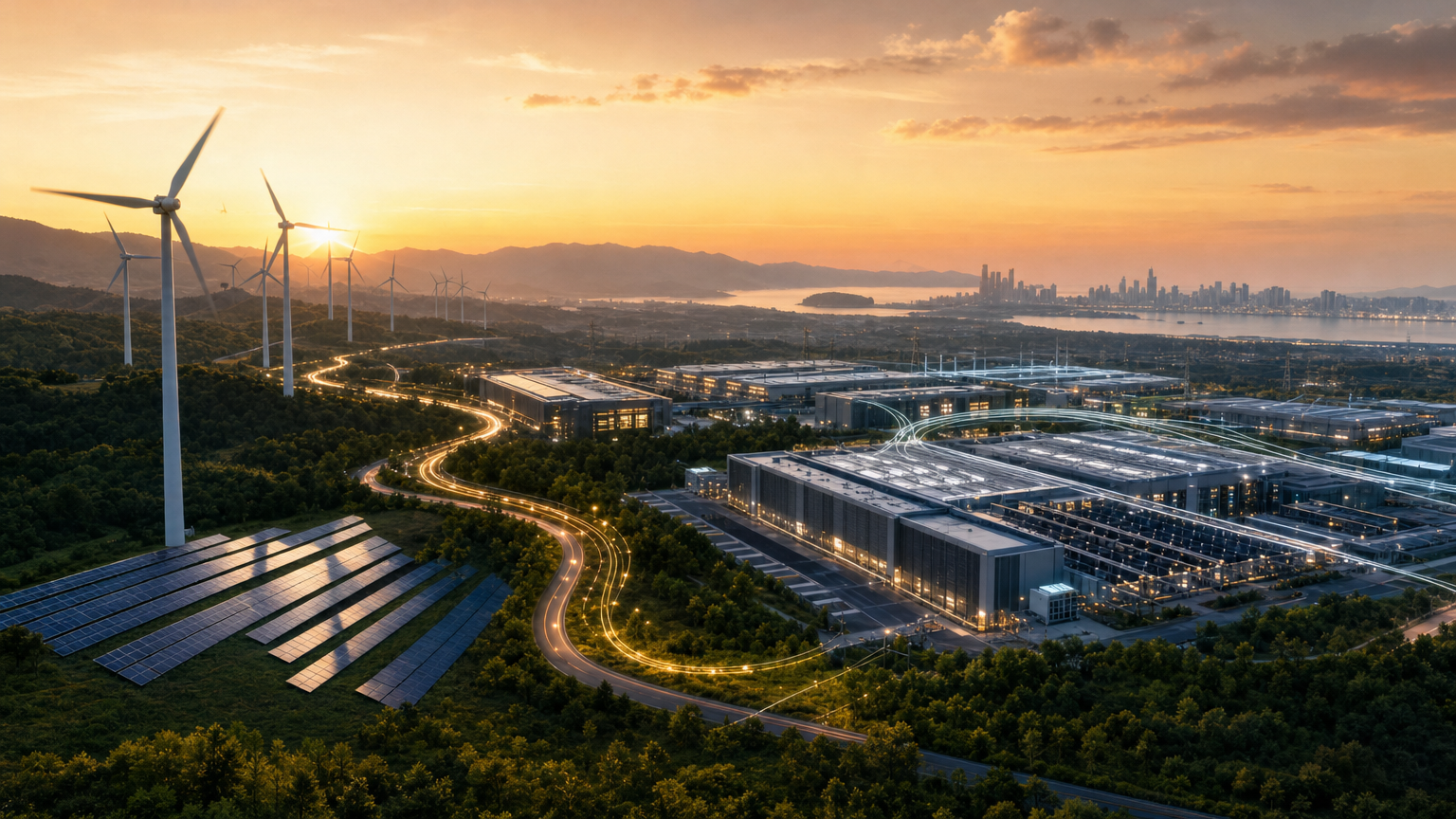
Explore how technology, energy, and capital converge in the global AI race, influencing economies and national security.
The Escalating Competition for AI Dominance
The global race for artificial intelligence (AI) supremacy is intensifying, drawing attention to the intricate web of connections between technology, energy, and capital. As nations grapple with the implications of AI on productivity and economic growth, the interplay between these domains is increasingly relevant. Countries are not only investing heavily in AI but are also exploring sustainable energy solutions to power their technological advancements. The urgency of this race is not merely about economic growth; it intertwines with national security, ethical considerations, and the future of labor.
The Energy-AI Nexus
Energy resources have become a pivotal factor in the development and deployment of AI technologies. As AI systems evolve, their energy demands grow, leading to a critical examination of how these technologies can operate sustainably. For instance, the integration of renewable energy sources like solar and wind power into AI infrastructures can mitigate the environmental impact of data centers, which are notorious for their high energy consumption.
Countries like China are at the forefront of this endeavor, merging AI advancements with their energy sector to create more efficient systems. This strategic alignment not only enhances their technological capabilities but also positions them as leaders in the sustainable energy landscape. According to the International Data Corporation (IDC), the synergy between AI and energy management is expected to drive significant innovations in resource efficiency and grid management in the coming years.
Investment Trends in AI Development
Investment trends reveal a significant surge in funding for AI startups and research, particularly in the United States, China, and the European Union. McKinsey & Company reports that the level of venture capital investment in AI companies has reached unprecedented heights, as investors recognize the long-term potential of AI applications across various industries. This influx of capital is not confined to traditional tech hubs; emerging markets are also beginning to carve out their niches in the AI landscape.
The United States remains a powerhouse in AI investment, with significant contributions from both private and public sectors. The government is currently deliberating on regulatory frameworks intended to manage AI's impact on society and the economy, emphasizing the need for a balanced approach that fosters innovation while ensuring safety and accountability.
In contrast, China's strategy is characterized by aggressive state-led initiatives aimed at integrating AI into its broader economic framework. By focusing on AI's role within the energy sector, China is not only aiming to enhance its technological capabilities but also to ensure that energy resources are utilized effectively in supporting AI systems. This multifaceted strategy highlights the importance of aligning technology with national priorities, especially in the context of global competition.
Meanwhile, the European Union is pushing for a comprehensive AI strategy that emphasizes ethical considerations and sustainability. As articulated in various policy documents, the EU's approach seeks to ensure that AI development aligns with fundamental rights and environmental goals, positioning itself as a global leader in responsible AI governance.
The Strategic Importance of AI in National Security
The strategic importance of AI extends beyond economic implications; it is increasingly viewed through the lens of national security. As nations enhance their AI capabilities, the potential for these technologies to influence military operations and cybersecurity becomes evident. The race for AI dominance is not just about enhancing productivity; it is also about ensuring that countries can defend their interests in an evolving geopolitical landscape.
For instance, AI's role in defense systems, surveillance, and intelligence gathering is gaining traction among major economies. As a result, countries are prioritizing investments in AI technologies that can bolster their national security frameworks while also addressing ethical and legal considerations that arise with the deployment of such powerful tools.
Conclusion: Navigating the Future of AI
As the global race for AI dominance continues to unfold, the interconnection of technology, energy, and capital will play a crucial role in shaping the future. Countries must navigate the complexities of this landscape while balancing the benefits of AI with ethical and environmental considerations. The ongoing developments in AI policy and investment strategies will undoubtedly influence global competitiveness and the pace of technological advancement.
As we move forward, it is essential for stakeholders in governments, industries, and academia to engage in meaningful dialogue about the implications of AI. By fostering collaboration and promoting responsible practices, nations can harness the transformative power of AI while ensuring that its benefits are equitably distributed across society. The global race for AI dominance is not just about who leads technologically but about how we collectively shape a future that is sustainable and inclusive.
Frequently Asked Questions
What is the significance of AI in global competition?
AI is crucial in global competition as it influences economic growth, national security, and technological advancement, making it a strategic asset for nations.
How does energy impact AI development?
Energy resources are vital for AI development, as AI systems require significant energy to operate, necessitating sustainable energy solutions to reduce environmental impact.
What are the current investment trends in AI?
Investment in AI is surging, especially in the U.S., China, and the EU, with increased funding for startups and research reflecting the technology's long-term potential.
How does AI relate to national security?
AI is increasingly seen as a tool for enhancing national security through its applications in defense systems, surveillance, and intelligence operations.
What role does ethics play in AI development?
Ethical considerations are essential in AI development to ensure that technologies align with fundamental rights and promote responsible governance.