The Transformative Impact of AI on Small and Medium Businesses
Explore how AI is reshaping small and medium businesses through automation, personalized engagement, and innovative business models.
By Laurie Suarez · 2026-10-14 · 5 min read
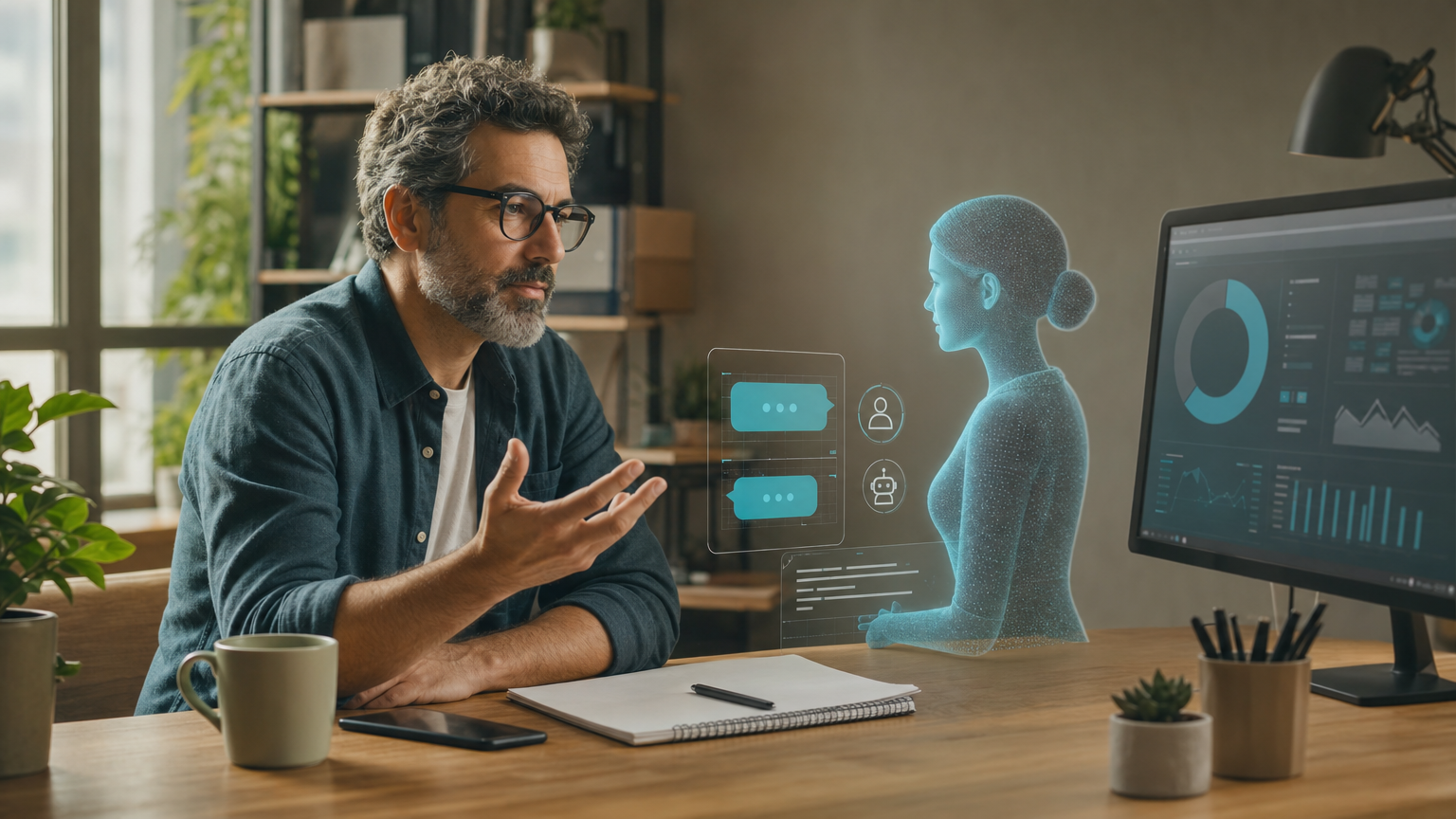
Explore how AI is reshaping small and medium businesses through automation, personalized engagement, and innovative business models.
The Rise of Artificial Intelligence in the Business Landscape
As we navigate the complexities of the 21st-century business landscape, one theme emerges with increasing prominence: the transformative power of Artificial Intelligence (AI). The integration of AI technologies has progressed from a futuristic ideal to a present-day necessity, especially for small and medium-sized enterprises (SMEs) seeking to enhance their operational efficiency and competitiveness. The intersection of AI entrepreneurship and business automation heralds a new era for SMEs, one characterized by innovation, personalization, and data-driven decision-making.
Enhancing Operational Efficiency Through Automation
At the core of AI's impact on SMEs lies its unparalleled capability to streamline operations. Automation powered by AI enables businesses to significantly reduce manual labor and minimize human error. Processes that once required substantial time and effort can now be executed swiftly and accurately, allowing employees to focus on more strategic initiatives.
For instance, customer service automation is revolutionizing how SMEs interact with their clientele. Chatbots and virtual assistants, equipped with natural language processing capabilities, can manage inquiries and provide support around the clock. This not only improves customer satisfaction but also optimizes internal resources, allowing SMEs to allocate their workforce more effectively.
According to **McKinsey & Company**, firms that implement AI-driven automation can expect a productivity boost of up to 40%. This potential for enhanced productivity is particularly beneficial for SMEs, which often operate with limited resources and face intense competition. By freeing employees from routine tasks, businesses can foster a more innovative environment, encouraging creative problem-solving and strategic thinking.
Personalized Customer Engagement
In an age where customer expectations are constantly evolving, personalization has become a crucial differentiator for SMEs. AI enables businesses to tailor their offerings based on customer behavior and preferences, thus creating a more engaging experience. Through advanced data analytics, SMEs can glean insights into customer purchasing patterns, enabling them to customize marketing campaigns and product recommendations.
For example, AI algorithms can analyze customer data to identify trends and predict future behaviors, allowing SMEs to adjust their strategies proactively. This predictive capability not only enhances customer loyalty but also drives sales growth, as personalized experiences often lead to increased conversion rates.
Platforms like **Google Cloud** have recognized this need and offer user-friendly AI tools that empower SMEs to harness the power of data without requiring extensive technical expertise. By democratizing access to AI technologies, these platforms are enabling SMEs to compete on a more level playing field with larger corporations.
Data-Driven Decision-Making
The decision-making process in businesses has traditionally relied on intuition and experience. However, AI is shifting this paradigm towards a data-driven approach. By leveraging machine learning algorithms, SMEs can analyze vast amounts of data to make informed decisions that can shape their business strategies.
Data-driven insights allow SMEs to identify market trends, assess operational inefficiencies, and evaluate the performance of various business units. The ability to harness AI for real-time analytics means that decisions can be made faster and with greater accuracy, reducing the risk associated with business ventures.
In a recent study published by **Gartner**, it was found that organizations utilizing AI for decision-making reported a 20% increase in operational performance. For SMEs, this increase can be the difference between thriving and merely surviving in an increasingly competitive market.
Innovation in Business Models
Moreover, AI is not only enhancing existing processes but is also redefining business models altogether. SMEs are now able to explore new avenues for growth through innovative applications of AI technologies. From subscription-based services to on-demand offerings, the possibilities are expanding.
This shift towards AI-driven innovation is prompting SMEs to rethink their value propositions and explore partnerships that leverage technology for mutual benefit. Collaborations between SMEs and tech firms are becoming more common, as businesses seek to integrate AI capabilities into their operations without incurring prohibitive costs.
Conclusion: Embracing the AI Revolution
As artificial intelligence continues to evolve, its role in shaping the future of entrepreneurship cannot be overstated. For small and medium-sized enterprises, the adoption of AI technologies offers a pathway to enhanced efficiency, improved customer engagement, and innovative business models. The accessibility of AI tools, coupled with the growing recognition of their potential, means that SMEs are uniquely positioned to capitalize on this transformative wave.
As we look ahead, the challenge for SMEs will be to embrace these advancements thoughtfully and strategically, ensuring that they not only keep pace with technological change but also harness its potential to create lasting value in their respective markets. The future of entrepreneurship is not merely about survival; it is about thriving in an era defined by intelligence, innovation, and insight.
Key Takeaways
- AI technologies are enhancing operational efficiency for SMEs through automation.
- Personalized customer engagement driven by AI increases loyalty and sales.
- Data-driven decision-making facilitated by AI improves operational performance.
- AI is redefining business models, allowing for innovative growth strategies.
- Accessibility of AI tools is empowering SMEs to compete with larger enterprises.
Frequently Asked Questions
How is AI transforming small and medium businesses?
AI is transforming small and medium businesses by enhancing operational efficiency, enabling personalized customer engagement, and facilitating data-driven decision-making.
What are the benefits of AI for SMEs?
The benefits of AI for SMEs include increased productivity, improved customer satisfaction, and the ability to innovate business models.
Can SMEs afford AI technologies?
Yes, many AI tools are becoming more accessible and affordable, allowing SMEs to leverage these technologies without incurring prohibitive costs.
How does AI improve customer engagement?
AI improves customer engagement by analyzing data to personalize interactions, predict customer behavior, and tailor marketing strategies.
What role does data play in AI decision-making for SMEs?
Data plays a crucial role in AI decision-making for SMEs by providing insights that inform strategies, identify trends, and enhance operational performance.