Senate's Clarity Act Vote Looms: A Turning Point for Cryptocurrency Regulation
The Senate's Clarity Act vote could reshape cryptocurrency regulations, impacting stablecoins, DeFi projects, and Bitcoin prices amid market volatility.
By Laurie Suarez · 2026-09-16 · 5 min read
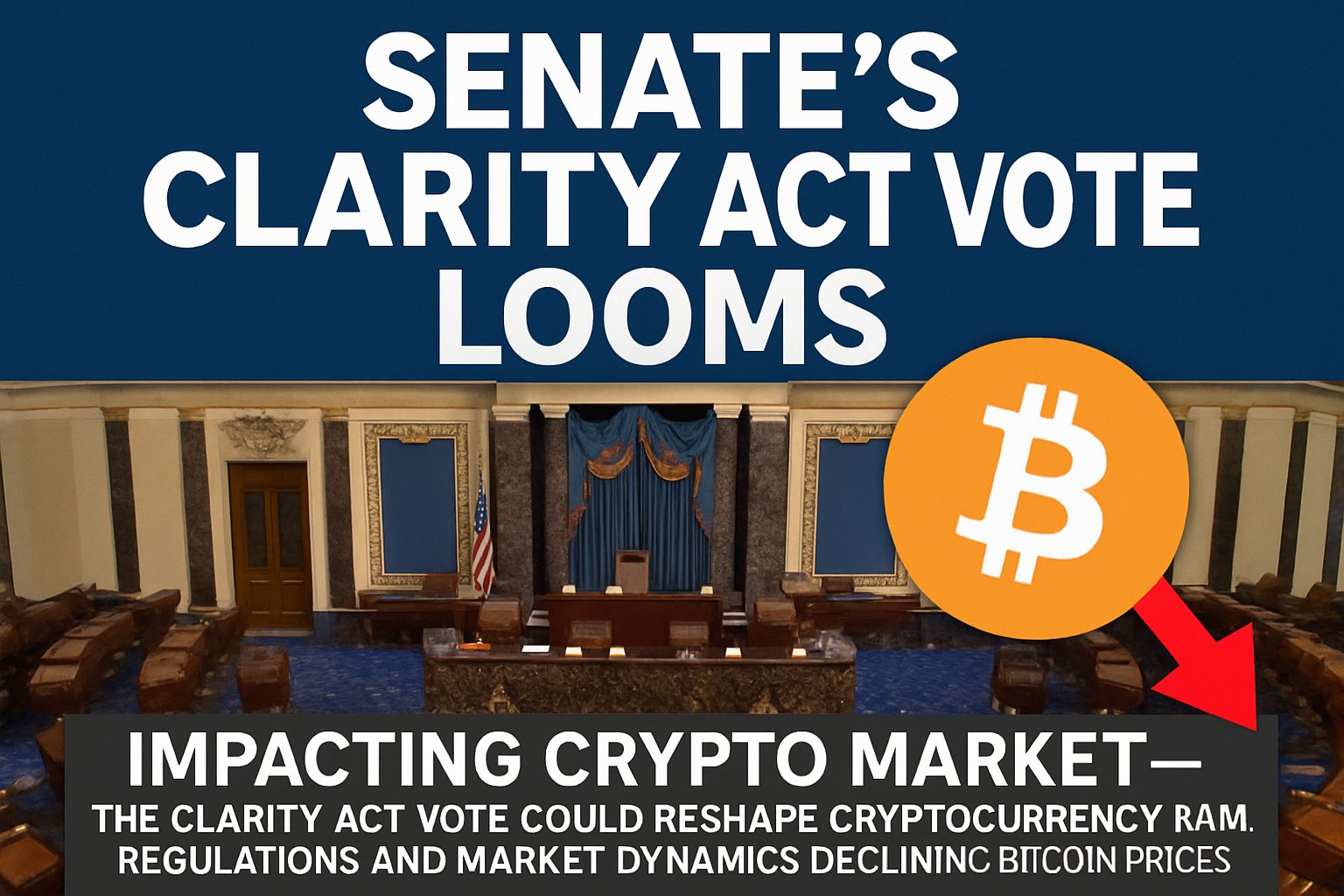
The Senate's Clarity Act vote could reshape cryptocurrency regulations, impacting stablecoins, DeFi projects, and Bitcoin prices amid market volatility.
The Impending Vote: A New Era for Cryptocurrency Regulation
As the U.S. Senate prepares for a pivotal vote on the Clarity Act, the future of cryptocurrency regulation hangs in the balance, potentially reshaping the crypto market and impacting Bitcoin prices significantly. This legislation, aimed at providing clarity and regulatory guidance for cryptocurrencies and stablecoins, arrives at a time when the market is grappling with volatility and scrutiny. With Bitcoin's value facing downward pressure and the broader crypto landscape under examination, the implications of this vote extend beyond mere numbers on a trading chart.
Understanding the Clarity Act
The Clarity Act is designed to define the legal status of various digital assets, particularly focusing on stablecoins and decentralized finance (DeFi) projects. By establishing a clear regulatory framework, the bill seeks to foster innovation while ensuring consumer protection and market integrity. This comprehensive approach could potentially mitigate the uncertainty that has plagued the sector, allowing investors and developers to operate with a clearer understanding of their rights and obligations.
The Current State of the Cryptocurrency Market
In recent months, Bitcoin and other cryptocurrencies have experienced significant price fluctuations, attributed to a constellation of factors including macroeconomic trends, regulatory announcements, and market sentiment. As of now, Bitcoin has seen a decline that raises questions about its resilience and the overall health of the crypto market. The impending Senate vote adds another layer of complexity, as stakeholders await the potential legislative shifts that could influence market stability.
Why This Vote Matters
The Senate's decision on the Clarity Act could serve as a bellwether for the future of cryptocurrency regulation in the United States. If passed, it may pave the way for a more defined regulatory environment, which could, in turn, bolster institutional confidence and encourage broader adoption of digital assets. Conversely, should the vote result in rejection or significant amendments, it might perpetuate the current state of ambiguity, further impacting market dynamics and investor sentiment.
Implications for Stablecoins and DeFi
Among the most critical aspects of the Clarity Act is its focus on stablecoins—digital currencies pegged to traditional assets like the U.S. dollar. As stablecoins play an increasingly vital role in facilitating transactions and providing liquidity within the crypto ecosystem, regulatory clarity surrounding their use will be paramount. Moreover, the bill's potential impact on DeFi projects cannot be understated, as these platforms challenge conventional financial systems by enabling peer-to-peer transactions without intermediaries.
A Broader Conversation on Regulation
The forthcoming vote is emblematic of a broader conversation occurring within the financial and regulatory spheres. Lawmakers, regulators, and industry stakeholders are grappling with the balance between fostering innovation and safeguarding consumers. As the Clarity Act advances through the legislative process, it becomes essential to consider the various perspectives at play—those of traditional financial institutions, technology innovators, and individual investors.
Future Outlook
As we anticipate the Senate's vote, the cryptocurrency community remains on edge, acutely aware that the outcomes will ripple through the market landscape. A decisive move towards regulatory clarity may instill a sense of stability and confidence that has been elusive in recent months. Alternatively, the continuation of regulatory uncertainty could stifle innovation and deter potential investors.
In the end, the Clarity Act represents more than just a legislative proposal; it embodies a critical moment in the evolution of cryptocurrency regulation in the United States. As the Senate prepares to cast its vote, the industry watches closely, recognizing that the implications of this decision will echo far beyond the chambers of Congress, shaping the future of digital finance for years to come.
Key Takeaways
- The Senate's impending vote on the Clarity Act could redefine cryptocurrency regulations.
- A clear regulatory framework may enhance market stability and investor confidence.
- The outcome will significantly impact stablecoins and decentralized finance projects.
- The conversation around regulation reflects the tension between innovation and consumer protection.
- Stakeholders across the crypto ecosystem are closely monitoring the vote's implications.
Final Thoughts
The Clarity Act presents an opportunity for the U.S. to lead in global cryptocurrency regulation while fostering an environment conducive to innovation. The next steps will be crucial in determining how effectively the country can balance the dual imperatives of growth and protection in the burgeoning digital asset landscape.
Frequently Asked Questions
What is the Clarity Act?
The Clarity Act is proposed legislation aimed at defining the legal status of cryptocurrencies and stablecoins, providing a regulatory framework for the digital asset market.
How could the Clarity Act impact Bitcoin prices?
If passed, the Clarity Act may enhance regulatory certainty, potentially boosting investor confidence and stabilizing Bitcoin prices amidst market volatility.
What are stablecoins and why are they important?
Stablecoins are digital currencies pegged to traditional assets like the U.S. dollar, playing a crucial role in facilitating transactions and providing liquidity in the cryptocurrency ecosystem.
What are DeFi projects?
Decentralized Finance (DeFi) projects are platforms that enable peer-to-peer transactions without intermediaries, challenging traditional financial systems and offering innovative financial services.
Why is regulatory clarity important for the cryptocurrency market?
Regulatory clarity helps mitigate uncertainty, allowing investors and developers to operate with a clearer understanding of their rights and obligations, fostering innovation and market stability.