European Markets Plunge Amid Protests in France: Economic Impacts
Explore how ongoing protests in France impact European markets, raising concerns over economic stability.
By Laurie Suarez · 2026-10-21 · 5 min read
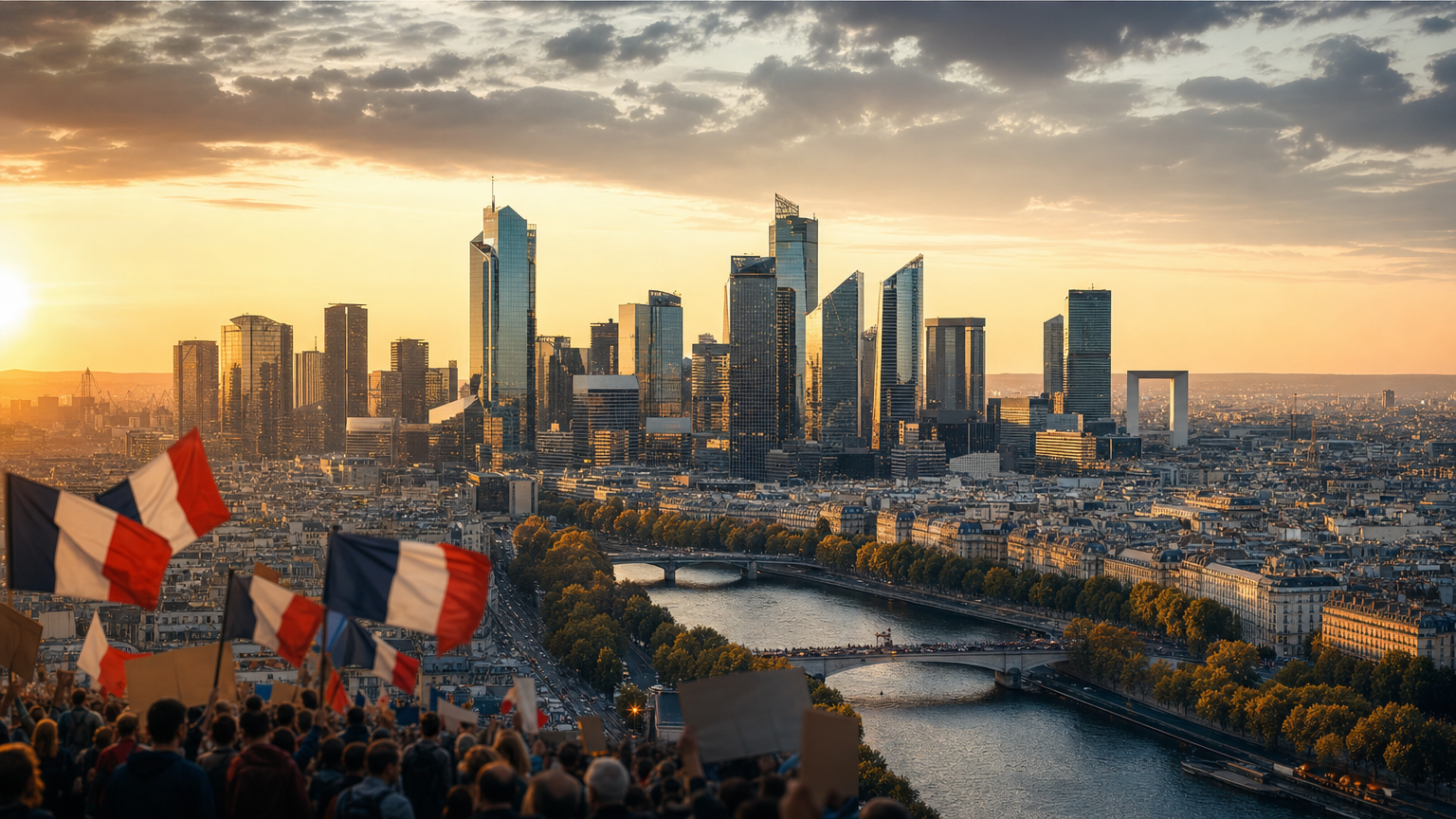
Explore how ongoing protests in France impact European markets, raising concerns over economic stability.
Unrest in France: A Catalyst for Market Volatility
In recent weeks, Europe has witnessed a noteworthy decline across various financial sectors, with stocks, bonds, and currencies all feeling the weight of investor anxiety. The catalyst for this downturn appears to be the escalating protests in France, which have emerged as a focal point of social unrest, igniting fears of broader economic instability across the continent.
The Underlying Causes of the Protests
The protests, initially sparked by public discontent over economic policies and social reforms, have evolved into a larger movement questioning the socio-economic fabric of French society. As demonstrators take to the streets, their voices resonate beyond national borders, illuminating deeper issues that may have ramifications for the wider European economy.
Market Reactions: A Snapshot of Decline
In response to the unrest, European stock markets have experienced significant declines. Major indices witnessed sharp drops, reflecting not only the immediate impact of protests but also the prevailing investor sentiment that these events could signal prolonged instability. The bond market, too, has felt the pressure, with yields rising as investors seek safer havens amidst the chaos.
Currencies have not been spared, as the euro showed volatility against major currencies, reflecting concerns over economic performance and investor confidence within the European Union.
Broader Implications for the European Economy
The implications of the unrest in France extend far beyond its borders. A sustained period of instability could lead to a reassessment of investment strategies across Europe. Investors often seek stability; prolonged protests could foster an environment where uncertainty reigns, potentially deterring foreign investment and impacting economic growth.
Moreover, the protests may serve as a litmus test for other nations grappling with similar socio-economic challenges. There is a palpable risk that unrest could inspire movements in neighboring countries, prompting investors to recalibrate their outlook on the entire region.
Investor Sentiment: Navigating the Turbulent Waters
As the situation unfolds, investor sentiment will play a crucial role in shaping market dynamics. Analysts believe that the next few weeks will be pivotal in determining whether the current volatility is a temporary blip or a harbinger of more significant economic challenges ahead. With many European economies still recovering from the fallout of the pandemic, the stakes are high.
Conclusion: A Call for Reflection
The ongoing protests in France serve as a poignant reminder of the interconnectedness of social issues and economic stability. As markets react, it is essential for investors to engage in deep reflection about the broader forces at play. The landscape of European finance is shifting, and understanding the nuances of these developments will be key in navigating the complexities of the current environment.
In this climate of uncertainty, a measured approach—rooted in comprehensive analysis and long-term thinking—will be essential for those seeking to make informed decisions in the face of evolving challenges.
**Key Takeaways:**
- Protests in France have led to significant declines in European markets.
- Broader economic instability could emerge from the unrest.
- Investor sentiment will be crucial in navigating current volatility.
Frequently Asked Questions
What are the main reasons for the protests in France?
The protests in France are primarily driven by public discontent over economic policies and social reforms, reflecting deeper socio-economic issues within the country.
How have European markets reacted to the protests?
European markets have experienced significant declines, with major stock indices dropping and increased volatility in currencies, particularly the euro.
What could be the long-term effects of the protests on the European economy?
Prolonged unrest could deter foreign investment and impact economic growth, leading to a reassessment of investment strategies across Europe.
How does investor sentiment influence market stability?
Investor sentiment plays a crucial role in market dynamics; uncertainty can lead to volatility, while confidence can stabilize markets.
Are similar protests expected in other European countries?
There is a risk that the unrest in France could inspire similar movements in neighboring countries, prompting investors to reevaluate their outlook on the region.