Iraq Currency Devaluation: Economic Strain and Inflation Risks
Explore Iraq's currency devaluation, its economic implications, and the risks of inflation amid ongoing instability.
By Laurie Suarez · 2026-10-07 · 5 min read
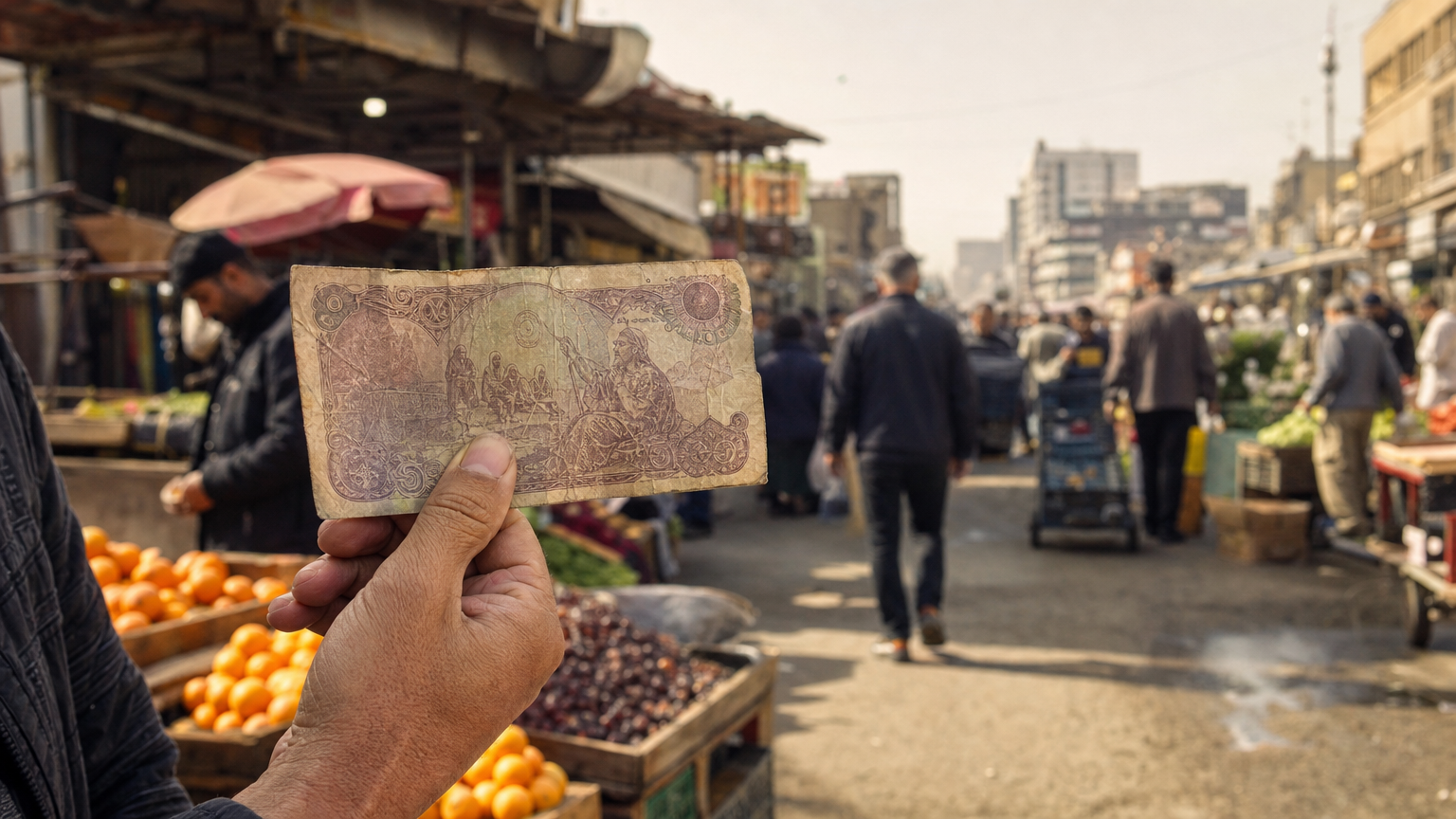
Explore Iraq's currency devaluation, its economic implications, and the risks of inflation amid ongoing instability.
Iraq's Currency Devaluation: An Overview
In a significant economic move, Iraq has officially devalued its currency from 1,300 to 1,500 dinars per US dollar. This decision, prompted by mounting economic pressures stemming from ongoing conflict and disruptions in oil shipping, reflects the complex interplay of domestic challenges and global market dynamics. As Iraq grapples with these multifaceted issues, the repercussions of such a devaluation could resonate far beyond its borders, impacting regional markets and investor sentiment.
The Economic Context Behind the Devaluation
The decision to devalue the Iraqi dinar is not merely a reaction to immediate fiscal pressures but rather a reflection of deeper economic vulnerabilities. For years, Iraq has faced a myriad of challenges, including political instability, corruption, and infrastructural decay. The oil sector, a critical component of Iraq's economy, has been beset by disruptions. These disruptions have been exacerbated by ongoing conflicts, which not only affect production capacity but also undermine investor confidence.
The devaluation is intended to stabilize the economy by making Iraqi exports cheaper and more competitive on the global market. However, it also raises significant concerns regarding inflation. As the dinar loses value, the purchasing power of Iraqi citizens is diminished, which can lead to a rise in the cost of living. This scenario poses a challenge to an already strained populace, as many Iraqis are dependent on fixed incomes that may not adjust to inflationary pressures.
Implications for Inflation and Economic Stability
The immediate consequence of the currency devaluation is the potential for heightened inflation. When a currency devalues, the cost of imported goods rises, leading to a cascading effect on prices. Essential commodities, many of which are imported, could see sharp increases. This scenario raises critical questions about the ability of the Iraqi government to manage inflation effectively and protect its citizens from the adverse effects of rising prices.
Moreover, the devaluation may further destabilize an already fragile economy. Investors may view this move as an indication of deeper systemic issues, prompting a reevaluation of their commitments in the region. A contraction in investment could lead to slower economic growth, exacerbating the challenges already faced by the government in terms of job creation and public services.
Regional and Global Market Reactions
The devaluation of the Iraqi dinar is likely to have ripple effects across regional markets. Neighboring countries may experience shifts in trade balances, particularly if Iraqi exports become more competitive. However, this could also lead to a degree of economic isolation for Iraq if investor sentiment turns negative, as they weigh the risks associated with economic instability.
Global markets, particularly those connected to oil, will be watching Iraq closely. Oil prices, which have been volatile in recent years, could be influenced by changes in Iraqi production levels and export capabilities. Any disruptions in oil supply from Iraq, a key OPEC member, could potentially affect global oil prices, with implications for energy markets worldwide.
A Path Forward: Navigating Economic Challenges
While the devaluation of the Iraqi dinar is a significant step in addressing immediate economic pressures, it is essential for the Iraqi government to implement comprehensive reforms aimed at stabilizing the economy in the long term. This includes diversifying the economy beyond oil dependence, enhancing transparency and governance, and fostering an environment conducive to foreign investment.
Furthermore, addressing the social impact of currency devaluation will be crucial. Ensuring that vulnerable populations receive adequate support during this transition can help mitigate the adverse effects of inflation and maintain social stability.
Conclusion: A Crucial Juncture for Iraq
Iraq stands at a critical juncture as it navigates the complexities of its current economic landscape. The recent currency devaluation reflects both the pressing challenges and the potential opportunities that lie ahead. By addressing the underlying issues and fostering a robust economic framework, Iraq can aim to stabilize its economy and secure a more prosperous future for its citizens.
In conclusion, while the devaluation of the dinar may serve as a catalyst for necessary change, it is the broader strategy and commitment to reform that will ultimately determine Iraq's economic trajectory in the years to come.
Frequently Asked Questions
What caused the recent currency devaluation in Iraq?
The recent currency devaluation in Iraq was primarily caused by mounting economic pressures, including ongoing conflict, disruptions in oil shipping, and deeper economic vulnerabilities.
How will the currency devaluation affect inflation in Iraq?
The currency devaluation is likely to raise inflation as the cost of imported goods increases, diminishing the purchasing power of Iraqi citizens and potentially leading to a higher cost of living.
What are the potential impacts on the oil market due to Iraq's currency devaluation?
Iraq's currency devaluation may impact the oil market by making Iraqi exports cheaper, but it could also lead to economic instability that affects production levels and investor confidence.
What steps can the Iraqi government take to stabilize the economy?
The Iraqi government can stabilize the economy by implementing comprehensive reforms, diversifying the economy beyond oil, enhancing governance, and fostering foreign investment.
How does currency devaluation affect everyday citizens in Iraq?
Currency devaluation affects everyday citizens by reducing their purchasing power, leading to higher prices for essential goods and services, which can strain their financial situation.