Japan's Currency Diplomacy: Yen Weakness and Global Impact
Explore Japan's currency diplomacy as officials warn about yen weakness and its global economic implications amidst signs of recovery.
By Laurie Suarez · 2026-09-28 · 5 min read
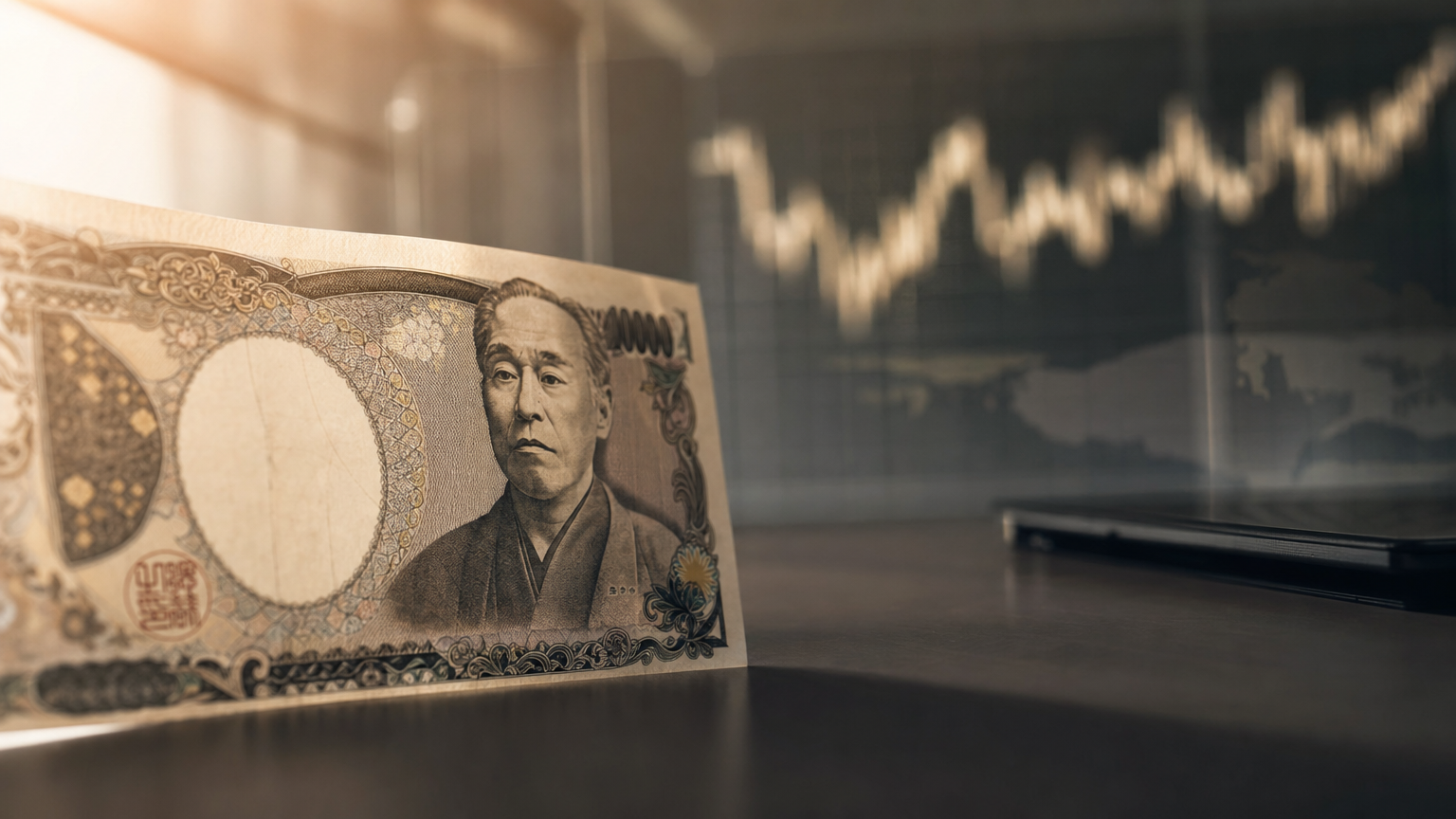
Explore Japan's currency diplomacy as officials warn about yen weakness and its global economic implications amidst signs of recovery.
Japan's Currency Diplomat Issues Yen Weakness Warning
In a critical moment for global finance, Japan's foremost currency diplomat has raised alarms regarding the ongoing weakness of the yen. This warning arrives at a juncture where the currency is beginning to exhibit signs of potential recovery. The diplomat's remarks serve as a clarion call for markets, urging them to regard the yen's fluctuations with the seriousness they warrant.
The yen, Japan's national currency, has seen significant depreciation against major currencies in recent years, raising concerns among policymakers and economists about its implications for both the domestic economy and the broader international financial landscape. The Japanese government has long recognized that currency stability is paramount for economic health, influencing everything from trade balances to inflation rates.
The Importance of Currency Stability
Japan's commitment to stabilizing the yen is not merely a matter of national pride; it is a strategic imperative as the country grapples with a complex economic environment. The yen's depreciation can lead to increased import costs, adversely affecting consumers and businesses alike. Furthermore, a volatile currency can deter foreign investment, which is vital for Japan's economic growth.
The recent statements from Japan's currency diplomat indicate a proactive approach to managing these challenges. The diplomat emphasized that the government is prepared to take necessary measures to ensure the yen's stability, a position that underscores the importance of currency diplomacy in a globally interconnected market.
Global Implications of Yen Fluctuations
The effects of currency fluctuations extend far beyond Japan's borders. As one of the world's largest economies, changes in the yen's value can ripple through global markets, affecting trade dynamics and investor sentiment. A weaker yen can initially provide a boost to Japanese exports, making them more competitive internationally. However, prolonged weakness can lead to instability, prompting concerns among trading partners and investors about the sustainability of Japan's economic model.
Given the interconnectedness of today's financial markets, the yen's trajectory is a focal point for global economic observers. Investors and policymakers alike are closely monitoring the situation, as any significant shifts in the yen's value could influence monetary policy decisions in other countries, particularly those within the Asia-Pacific region.
Understanding Currency Diplomacy
Currency diplomacy involves the strategic management of a nation's currency value to achieve broader economic objectives. In Japan's case, this includes fostering an environment conducive to growth while mitigating the risks associated with currency volatility. As Japan's currency diplomat articulates the government's stance, it becomes evident that vigilance and proactive measures are paramount.
The Japanese government’s approach reflects a nuanced understanding of the delicate balance between encouraging exports and maintaining economic stability. As the yen shows tentative signs of rebounding, the government’s response will be closely watched for indications of its longer-term strategy.
A Call for Market Awareness
The warning issued by Japan's currency diplomat is a timely reminder of the complexities involved in currency management. Markets must heed this call, recognizing that the yen's fluctuations are not merely a local issue but a matter of global economic significance. As the situation unfolds, stakeholders across various sectors will need to remain vigilant and adaptable in response to the implications of currency movements.
In summary, Japan's commitment to stabilizing the yen is a critical factor in maintaining economic stability not just for the nation, but for the broader global economy. The current warning serves as a pivotal moment for reflection and action, prompting a reevaluation of how currency dynamics influence international financial relationships.
Key Takeaways
- Japan's currency diplomat warns of the yen's weakness amidst signs of recovery.
- Currency stability is crucial for Japan's economic health and global trade dynamics.
- The yen's fluctuations impact investor sentiment and global markets.
- Proactive currency diplomacy is essential to mitigate risks associated with volatility.
Frequently Asked Questions
What is Japan's currency diplomacy?
Japan's currency diplomacy refers to the strategic management of the yen's value to achieve economic stability and growth, while addressing the risks of currency fluctuations.
Why is yen weakness a concern for Japan?
Yen weakness raises import costs, affects consumer prices, and can deter foreign investment, which is crucial for Japan's economic growth and stability.
How do yen fluctuations impact global markets?
Changes in the yen's value can influence trade dynamics, investor sentiment, and monetary policy decisions in other economies, particularly in the Asia-Pacific region.
What measures can Japan take to stabilize the yen?
Japan can implement monetary policy adjustments, engage in currency interventions, and enhance communication with global markets to stabilize the yen's value.
What are the implications of a weak yen for Japanese exports?
While a weak yen can initially boost Japanese exports by making them cheaper abroad, prolonged weakness can lead to economic instability and concerns among trading partners.