RBI Governor's Insights on Indian Rupee's Value and Stability
RBI Governor Sanjay Malhotra discusses the Indian rupee's undervaluation and the central bank's commitment to currency stability amidst inflation.
By Laurie Suarez · 2026-10-07 · 5 min read
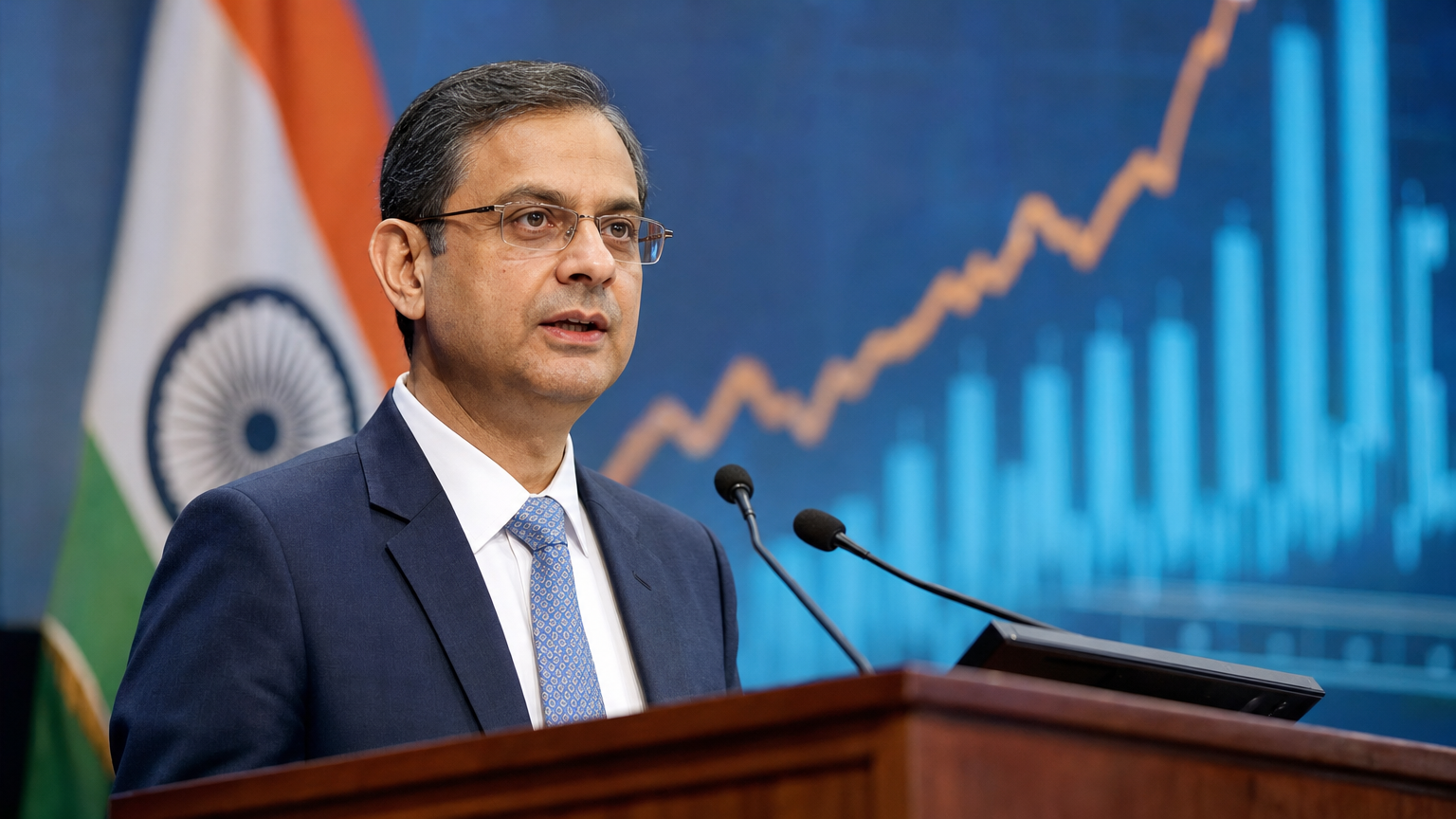
RBI Governor Sanjay Malhotra discusses the Indian rupee's undervaluation and the central bank's commitment to currency stability amidst inflation.
RBI Governor's Assurance on Rupee's Value
In a critical address, RBI Governor Sanjay Malhotra highlighted the potential undervaluation of the Indian rupee, emphasizing the central bank's unwavering commitment to currency stability amidst rising inflation and global economic pressures. As the rupee approaches record lows, concerns grow regarding its potential undervaluation, particularly in the context of rising inflation and global economic uncertainties.
Malhotra's remarks underscore the RBI's vigilant stance on maintaining the rupee's stability, indicating that the central bank is prepared to intervene as necessary to bolster confidence in the domestic currency. This assertion arrives at a critical juncture, as investors and analysts alike scrutinize the rupee's trajectory amid fluctuating economic indicators.
Understanding the Context: Inflation and Currency Valuation
The interplay between currency valuation and inflation is complex and multifaceted. With India grappling with inflationary pressures that have surged in recent months, the rupee's depreciation could exacerbate the situation by making imports more expensive, thereby contributing to further inflation. Governor Malhotra's comments serve as a reminder of the delicate balancing act central banks perform, particularly in emerging markets like India, where external factors often exert significant influence on local economies.
The Impact on Investor Confidence
Malhotra's emphasis on the rupee's potential undervaluation is poised to impact investor sentiment significantly. The assurance that the RBI stands ready to support the currency may foster a sense of stability, encouraging both domestic and foreign investors to maintain their positions in the Indian market. However, the long-term implications remain to be seen, particularly as global economic conditions shift and the US dollar continues to strengthen against various currencies.
Comparing Global Trends
A comparative analysis reveals that many emerging market currencies are facing similar challenges. As central banks worldwide grapple with inflation and economic recovery, the response of the RBI may set a precedent for other nations in similar predicaments. The nuances of each economy's situation will dictate how effectively they can navigate these turbulent waters.
Looking Ahead: The Role of the RBI
As the situation evolves, the RBI's proactive measures will be crucial in steering the rupee's course. The central bank's commitment to ensuring stability will likely involve a range of tools at its disposal, from interest rate adjustments to foreign exchange interventions. The effectiveness of these strategies will depend on the broader economic landscape and the RBI's ability to adapt to changing conditions.
In conclusion, Governor Sanjay Malhotra's insights into the Indian rupee's valuation highlight not only the immediate challenges facing the currency but also the overarching themes of economic stability and investor confidence. As the world watches closely, the ongoing developments in India's financial landscape will undoubtedly offer valuable lessons in currency management and economic resilience.
Key Takeaways
- RBI Governor Sanjay Malhotra suggests the Indian rupee may be undervalued.
- The central bank is committed to maintaining the rupee's stability amid rising inflation concerns.
- Investor confidence could be bolstered by the RBI's proactive approach to currency management.
- The situation reflects broader global trends affecting emerging market currencies.
Frequently Asked Questions
What did RBI Governor Sanjay Malhotra say about the Indian rupee?
RBI Governor Sanjay Malhotra indicated that the Indian rupee may be undervalued and emphasized the central bank's commitment to maintaining its stability amidst inflation.
How does inflation affect the Indian rupee's value?
Inflation can lead to the depreciation of the rupee, making imports more expensive and potentially exacerbating inflationary pressures in the economy.
What measures can the RBI take to stabilize the rupee?
The RBI can implement various measures, including interest rate adjustments and foreign exchange interventions, to stabilize the rupee and bolster market confidence.
How does the Indian rupee compare to other emerging market currencies?
Many emerging market currencies are facing similar challenges, with central banks globally grappling with inflation and economic recovery, making the RBI's response particularly significant.
Why is investor confidence important for the Indian rupee?
Investor confidence is crucial as it can influence market stability and investment levels, which are vital for the overall health of the Indian economy.