Switzerland's Balancing Act: Cybercrime and Tech Privacy
Explore how Switzerland is balancing cybercrime policing with tech privacy, impacting global standards in cybersecurity reform.
By Laurie Suarez · 2026-09-12 · 5 min read
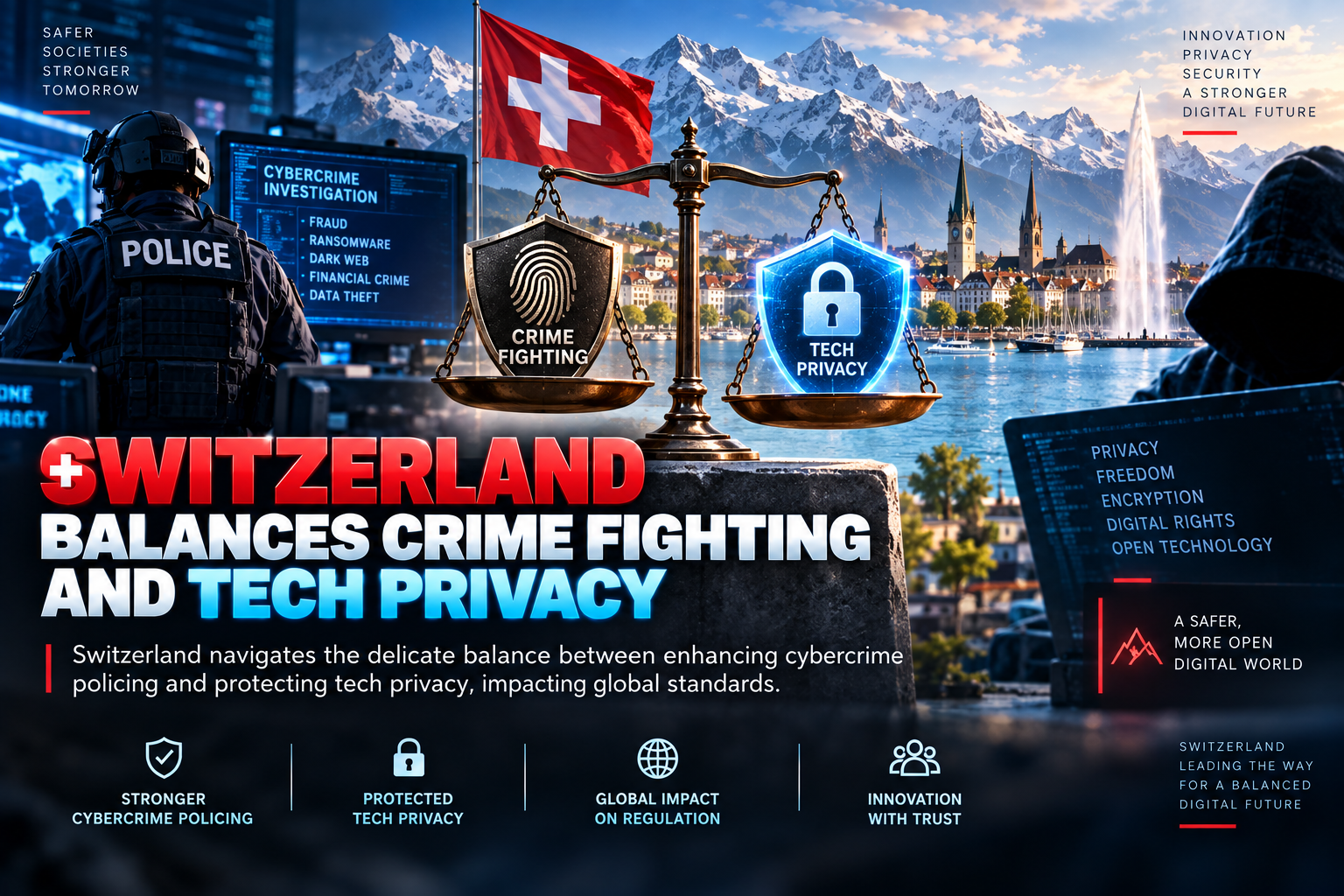
Explore how Switzerland is balancing cybercrime policing with tech privacy, impacting global standards in cybersecurity reform.
The Swiss Dilemma: Cybercrime and Privacy
Switzerland, a nation renowned for its commitment to neutrality and privacy, finds itself at a crossroads in the digital age. As cybercrime escalates, the Swiss government is compelled to bolster its law enforcement capabilities, particularly in the realm of cybercrime. Yet, this imperative raises significant concerns regarding the privacy protections that have long been a cornerstone of Swiss identity, particularly for its burgeoning tech industry, which includes firms like Proton.
The Landscape of Cybercrime in Switzerland
In recent years, Switzerland has witnessed a notable surge in cybercrime incidents, from data breaches to ransomware attacks. The Swiss Federal Cybersecurity Strategy aims to enhance the resilience of both public and private sectors against these growing threats. Recent studies show that the financial losses incurred by Swiss companies due to cyberattacks have reached alarming levels, prompting calls for a reevaluation of the existing legal frameworks governing cybercrime.
A Proposal for Reform
In response to these challenges, Swiss lawmakers have introduced proposals aimed at reforming the country's cybercrime legislation. These proposals seek to empower law enforcement agencies with more robust tools to investigate and combat cybercriminal activities. Advocates of these reforms argue that without stronger measures, Switzerland risks becoming a haven for cybercriminals, undermining the safety and security of its digital economy.
However, this push for enhanced policing raises critical questions about the implications for privacy. The tech industry, particularly companies focused on secure communications like Proton, fears that increased surveillance measures could erode the privacy protections that have made Switzerland an attractive destination for tech innovation.
The Balancing Act: Security vs. Privacy
The crux of the debate lies in finding a balance between effective crime prevention and the preservation of individual privacy rights. Switzerland's tradition of upholding data protection laws is a powerful part of its national identity. As a result, any reforms must navigate the delicate line between enhancing security and safeguarding the freedoms that define Swiss society.
Internationally, Switzerland's approach to this challenge could set a precedent. With the European Union grappling with similar issues regarding data privacy and security, the Swiss model may serve as a benchmark for other nations attempting to reconcile these competing interests. The global tech community is watching closely to see how Switzerland will forge ahead in this complex landscape.
The Role of Tech Companies
Tech companies in Switzerland, particularly those involved in encryption and privacy-focused services, have a vested interest in these developments. Proton, for instance, has built its reputation on providing secure email and VPN services that prioritize user privacy. The company has voiced concerns that excessive government oversight could undermine the very principles upon which their services are founded.
These firms are not only economic players but also pivotal stakeholders in the ongoing dialogue surrounding privacy and security. Their feedback is crucial in shaping legislation that both protects citizens and allows innovation to flourish. As Switzerland deliberates on these reforms, engagement with the tech sector will be essential to crafting effective policies.
Global Implications
The implications of Switzerland's approach to balancing crime fighting and tech privacy extend far beyond its borders. As digital interactions become increasingly globalized, the standards established in Switzerland may influence international norms regarding privacy and security. A successful framework that enhances security without infringing on privacy rights could inspire other nations to pursue similar paths, fostering a new paradigm of cooperation between law enforcement and the tech industry.
Conclusion: A Pivotal Moment for Switzerland
In conclusion, Switzerland stands at a pivotal moment in its history, tasked with the challenge of enhancing its cybercrime response while maintaining its legacy of privacy. The outcomes of these legislative reforms will not only impact the domestic tech landscape but could also resonate globally as countries navigate the intricate balance between security and privacy in a digital world. How Switzerland chooses to address these issues will undoubtedly shape the future of tech privacy and security on an international scale.
As this landscape evolves, continuous dialogue among policymakers, law enforcement, and the tech industry will be paramount. Only through collaborative efforts can Switzerland ensure that it remains a leader in both tech innovation and the protection of individual freedoms in the digital age.