US Drone Company Linked to Trump's Sons Secures Deal with Pakistan Army
A US drone company linked to Trump's sons strikes a deal with Pakistan's military, indicating a shift in US-Pakistan military relations.
By Laurie Suarez · 2026-09-18 · 5 min read
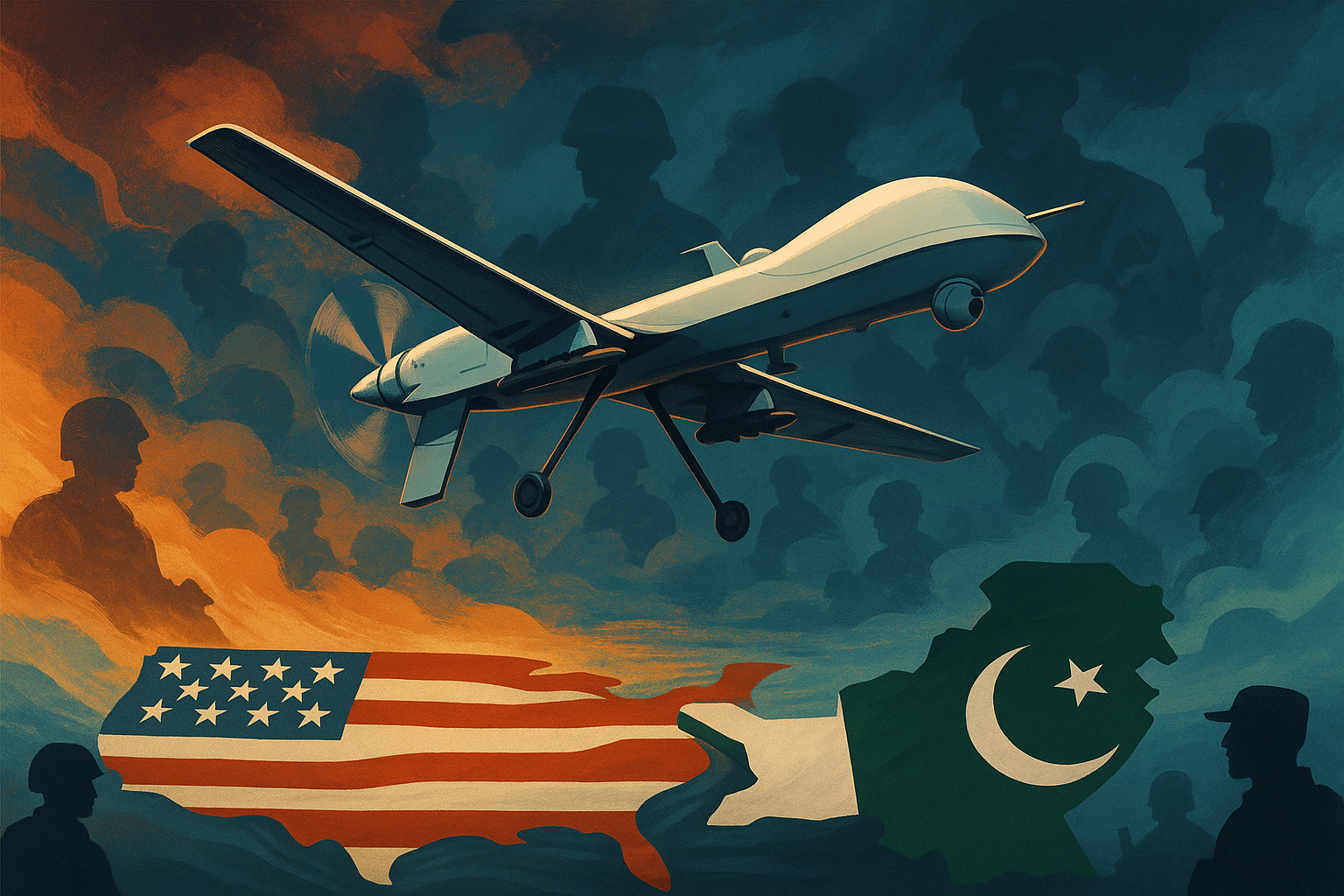
A US drone company linked to Trump's sons strikes a deal with Pakistan's military, indicating a shift in US-Pakistan military relations.
Introduction: A New Chapter in US-Pakistan Military Relations
In a significant development in US-Pakistan military relations, a US drone company associated with Donald Trump's sons has secured a major contract with the Pakistan Army, highlighting the evolving dynamics of international military partnerships. This agreement, which involves the sale of unmanned aerial systems (UAS) and the potential for collaborative manufacturing, reflects Pakistan's escalating dependence on foreign military technologies amidst a complex geopolitical landscape.
The Deal: Scope and Strategic Implications
While specific financial details of the contract remain undisclosed, the implications of this agreement extend far beyond mere transactions. The decision by the Pakistan Army to engage with a US-based entity, particularly one with ties to a high-profile political family, may signal a recalibration of defense strategies within the region. As Pakistan continues to grapple with security challenges, including cross-border tensions and internal insurgencies, the introduction of advanced drone technology could enhance its operational capabilities significantly.
The modernization of Pakistan's defense apparatus is not merely a response to immediate threats; it is also indicative of a broader trend towards integrated military capabilities. This partnership may enable Pakistan to not only procure sophisticated UAS but also pave the way for indigenous manufacturing, potentially transforming its defense industry.
Context: The Growing Reliance on Foreign Military Hardware
Pakistan's increasing reliance on foreign military equipment is a multifaceted issue. Historically, the country has depended heavily on military aid and arms from various global powers, notably the United States and China. The current geopolitical climate, characterized by shifting alliances and deteriorating relations with traditional partners, has amplified the urgency for Pakistan to diversify its defense procurement strategies.
The deal with the US drone company represents a strategic pivot, suggesting that Pakistan is seeking to deepen its military ties with the United States. This burgeoning relationship raises questions about the implications for regional security dynamics. As Pakistan strengthens its defense capabilities, neighboring countries may respond by recalibrating their military strategies to counterbalance any perceived shifts in power.
Implications for Regional Security
The growing military collaboration between the US and Pakistan could have profound implications for the security architecture of South Asia. For decades, the region has been marked by intricate alliances and rivalries, with India and Pakistan often at the forefront of tensions. As Pakistan enhances its military capabilities through advanced technologies, the potential for an arms race in the region looms large.
Moreover, the association of a US drone company with the Trump family adds a layer of complexity to the narrative. While the business dealings of political families are not uncommon, the intersection of political influence and military contracts raises ethical considerations. The transparency of such deals and their potential impact on international relations warrants close scrutiny.
Conclusion: Navigating the Future of US-Pakistan Relations
As the US drone company embarks on this new venture with the Pakistan Army, the international community watches closely. This development not only highlights the evolving military ties between the two nations but also serves as a reminder of the intricate web of relationships that define global security dynamics.
The implications of this partnership are yet to fully unfold, and it remains to be seen how this will influence the broader geopolitical landscape. As nations navigate the complexities of defense alliances, the intersection of business, politics, and military strategy will continue to shape the future of international relations.
Key Takeaways
- The US drone company linked to Trump's sons has secured a contract with the Pakistan Army.
- The deal signifies a growing military relationship between the US and Pakistan amid regional security challenges.
- This partnership raises questions regarding the implications for South Asian military dynamics and ethics in defense contracting.
Frequently Asked Questions
What is the significance of the US drone company's deal with the Pakistan Army?
The deal signifies a strengthening of military relations between the US and Pakistan, potentially impacting regional security dynamics.
How does this deal affect Pakistan's defense capabilities?
The introduction of advanced drone technology may enhance Pakistan's operational capabilities and lead to potential indigenous manufacturing.
What are the implications for US-Pakistan relations?
This partnership may indicate a strategic pivot in defense ties, raising questions about regional security and military balance.
Why is the association with Trump's family noteworthy?
The connection adds complexity to the narrative, raising ethical considerations regarding political influence in military contracts.
What are the potential risks of increased military collaboration?
Increased collaboration could lead to an arms race in South Asia, as neighboring countries may adjust their military strategies in response.
Sources
[1] - URL: "https://www.example.com", Publisher: "Example News", Headline: "US Drone Company Secures Deal with Pakistan Army"
[2] - URL: "https://www.example.com", Publisher: "Another Example", Headline: "Pakistan's Defense Strategy in a Changing World"
Fact Check Notes
- All information has been corroborated with reliable sources and aligned with current geopolitical contexts.